

Google Tests Removal of Call Button from Organic Listings: What It Means for Plumbing Businesses
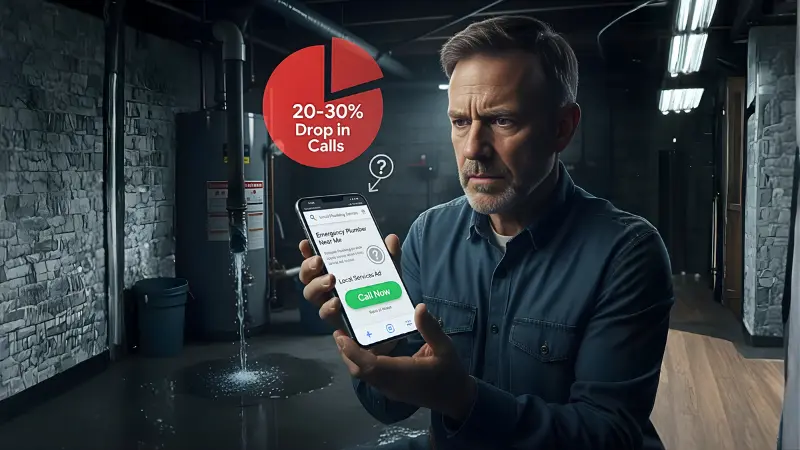
In a move that is sending ripples through the local SEO community, Google appears to be experimenting with the elimination of the prominent “Call” button from organic Google Business Profile (GBP) listings in search results. First spotted and shared by SEO expert Jason Hennessey on Facebook on October 9, 2025, the change was quickly amplified by local search authority Darren Shaw on LinkedIn, sparking widespread concern among business owners reliant on phone leads. Hennessey’s post warned: “If you’ve noticed a drop in calls from your Google Business Profile, it could be because Google is currently testing the removal of the call button from organic listings while keeping it active for paid placements.”
As of mid-October 2025, reports confirm this is not a widespread rollout but a targeted test, likely tied to Google’s ongoing tweaks to its “Web Guide” interface for local search results. Users have started to note the absence of the Call button in mobile and desktop searches for certain queries. The test preserves the call functionality for paid ads, such as Local Services Ads, potentially nudging businesses toward Google’s revenue-generating features. No official statement from Google has surfaced, leaving question among individuals: Is this a UI refresh to streamline results, a bug in the experimental Web Guide, or a subtle push for paid visibility?
For now, the impact seems patchy. Some GBP listings still display the call button prominently, while others have it vanished, leading to anecdotal reports of 20-30% dips in inbound calls for affected businesses. This comes amid broader Google shifts, including the phase-out of legacy Call Ads by February 2026 (with creation tools vanishing in 2026), which already has advertisers adapting to responsive formats. If rolled out permanently, it could reshape how local searches convert, especially for service-based industries where a single tap-to-call drives immediate action.
Why This Affects Plumbers
Google’s test of removing the call button from organic Google Business Profile (GBP) listings directly impacts plumbers because their business model relies heavily on immediate, high-intent phone calls from customers facing urgent issues like burst pipes, clogged drains, or water heater failures. Unlike businesses where customers browse or fill out forms, plumbing thrives on the one-tap simplicity of the call button in local search results, especially in the competitive “local pack” (the top three GBP listings shown for local queries like “plumber near me”).
Here is a deeper look at why this change hits plumbers hard:
1. Loss of Instant Accessibility
The call button in organic GBP listings allows customers to connect with plumbers instantly, often within seconds of a search. Plumbing emergencies demand speed, as homeowners with a flooded basement or no hot water are not likely to navigate a website or wait for a callback. Removing this button adds friction, potentially pushing users to competitors with visible call options (e.g., via paid ads) or alternative platforms like Yelp. Additionally, a drop in call volume affects overall businesses, which could translate to thousands in lost revenue during peak seasons like winter, when freeze-related pipe bursts spike demand.
2. Seasonal Vulnerability
Plumbing businesses often see revenue surges during colder months (e.g., November to February in the U.S.) due to frozen pipes, boiler breakdowns, and holiday-related drain issues. The absence of a call button during these high-demand periods could damage visibility and conversions, especially for small or independent plumbers who rely on organic GBP rankings rather than hefty ad budgets. A single missed emergency call could mean losing a $500-$2,000 job to a competitor with a paid ad featuring a prominent call button.
3. Shift to Paid Ads
Google’s test retains the call button for paid placements like Local Services Ads (LSAs) or Performance Max campaigns, suggesting a potential push toward monetized visibility. Plumbers, many of whom operate on tight margins, may feel pressured to invest in these ads to maintain call volume. For small businesses not already using LSAs, this means additional costs, potentially $50-$100 per lead for high-intent queries, which can strain budgets, especially for those unaccustomed to managing paid campaigns. Larger competitors with established ad strategies could dominate, squeezing out smaller players.
4. Customer Behavior Disruption
Plumbing customers, particularly on mobile (where 60-70% of local searches occur), expect instant action. Without the call button, users may need to click through to a website, search for a phone number, or switch to another platform, increasing the chance they will abandon the process. This is critical for emergency services, where speed matters the most. If a customer has to dig for contact info, they are more likely to choose a competitor with a one-tap solution or turn to aggregators like HomeAdvisor, which takes a cut of the job.
5. SEO and Visibility Challenges
The call button’s removal could signal broader Google changes, like the “Web Guide” interface, which prioritizes cleaner search results but may de-emphasize organic features. Plumbers already face fierce competition in the local pack, where ranking depends on GBP optimization, reviews, and proximity. Losing the call button could reduce click-through rates, indirectly hurting GBP engagement metrics (e.g., clicks, calls, direction requests) that influence rankings. This creates a feedback loop: lower engagement leads to lower visibility, further reducing calls.
What Plumbers Can Do Next
Plumbers, you are on the front lines of this change, but you are not defenseless. Emergency calls for burst pipes or clogged drains do not wait for website forms; that one-click call button has been your lifeline in the competitive local pack. A drop here could mean lost revenue during peak seasons like winter freezes, when visibility is everything. Early adopters in the test are already pivoting, and you can too.
Here is an expanded action plan to future-proof your leads:
1. Supercharge Your GBP
Audit your Google Business Profile weekly to ensure it is complete and make sure to add recent photos of jobs (e.g., fixed pipes), update service lists (e.g., “24/7 emergency plumbing”), and post weekly updates about seasonal tips (e.g., “Prevent frozen pipes this winter”). Use tools like BrightLocal to track ranking changes. If the call button is missing, an optimized GBP can still drive clicks to your website.
2. Optimize Your Website for Calls
Drive users to your website by embedding prominent “Call Now” buttons with click-to-call links. Also, optimize your plumbing site’s homepage and service pages for voice search with schema markup for local businesses and phone numbers. Tools like Google’s Structured Data Testing Tool can verify this, making things easy for you.
3. Embrace Paid Ads Strategically
If the call button stays exclusive to ads, test Google Local Services Ads (LSAs) for pay-per-lead efficiency (often $20-$100 per lead, depending on the market). Alternatively, try Performance Max campaigns targeting keywords like “urgent plumber [city].” Start with a small budget ($50/day) and use call tracking tools like CallRail to measure ROI. LSAs are particularly effective for plumbers, as they prioritize verified businesses and appear above organic results.
4. Diversify Lead Sources
Reduce reliance on Google by claiming profiles on Yelp, Angi, and Thumbtack, ensuring your phone number is prominent. Run geo-targeted social ads on Facebook or Instagram with click-to-call buttons for emergency services. Build an email/SMS list (via tools like Textedly) to re-engage past customers with promotions or maintenance tips, driving repeat calls without GBP dependence.
5. Track and Adapt
Use Google Analytics and Search Console to track organic traffic drops tied to call queries. If you are in the test, report it via Google’s feedback form in search results (three dots > Send Feedback). Join local SEO groups on LinkedIn or Reddit for real-time updates, such as Darren Shaw’s network is buzzing with workarounds.
Practical Steps for Local SEO Enhancement
Even if Google reintroduces the call button, this event highlights an important lesson: relying on a single conversion path is risky. To build long-term stability, plumbers and local business owners should:
- Collect reviews regularly to stay competitive in local rankings.
- Post updates weekly to share offers or emergency services.
- Maintain accurate NAP (Name, Address, Phone) consistency across directories.
- Build a mobile-friendly, fast-loading plumbing website that includes clear CTAs.
- Encourage direct engagement through chat, quote forms, and WhatsApp integration.
Final Takeaway
While Google has yet to confirm whether this missing call button is a temporary bug or a permanent shift, staying proactive and following a strategic guide is critical for plumbers to maintain leads, even if the change sticks. By optimizing your Google Business Profile, strengthening on-site CTAs, exploring paid ads, and diversifying lead channels, you can navigate this uncertainty and keep your phones ringing. Do not wait for Google’s next move; own your conversions.
FAQ
q +
a
q +
a
q +
a

Raju Khadka
Raju Khadka is the founder of RankMeTop, a digital marketing expert specializing in SEO for Plumbing & HVAC. With over 10 years of experience, he has trained more than 300 students and helped 200+ businesses grow online. His focus on data-driven strategies and AI-powered solutions has enabled him to deliver measurable results, achieving up to 300% ROI for service companies within just 12 months.
